
Words by by Fiona Harris
 For ten years I lived inside the strange, exhilarating machinery of the Australian screen industry. I was a working actor — a phrase that still feels faintly miraculous in a country where opportunity is often outpaced by talent. I was doing what I loved and being paid to do it. And then I wasn’t.
The moment I realised something fundamental had shifted arrived not on a set, but in a radio studio. I had slipped on the headphones for my regular segment when the host introduced me as “writer and broadcaster, Fiona Harris”. The omission of “actor” should have stung. Instead, it landed with the quiet certainty of truth. I felt not loss, but alignment — as though a title I had been inching toward had finally caught up with me.
Only later, driving home, did I understand why the absence hadn’t unsettled me. I had already begun the slow, almost subterranean pivot into another creative life.
Acting was my first apprenticeship in storytelling. I was eighteen when I stepped onto a stage in a chaotic amateur musical called Starred and Feathered, and something in me locked into place. I trained obsessively, performed relentlessly, even moved to New York to study. For more than a decade I worked consistently, grateful each time I stepped onto a set. I was doing what I loved and being paid to boot. But the industry’s demands — its long days, its itinerant rhythms, its indifference to domestic life — eventually collided with motherhood.
Motherhood didn’t end my career, but it altered its gravitational pull. I wanted to be present for the unremarkable, essential rituals of family life: school drop-offs, bedtime stories, the slow accumulation of ordinary days. The industry, I realised, does not easily bend around motherhood, so, I bent instead.
I enrolled in the Professional Writing and Editing program at RMIT and found a different kind of creative community — one built not on performance but on language, structure, and the quiet labour of the page. I felt like I’d finally found ‘my people’. Writing had always been there, latent: the childhood notebooks, the handmade books, the instinct to observe and shape the world through narrative. Now it became not a sideline but a centre.
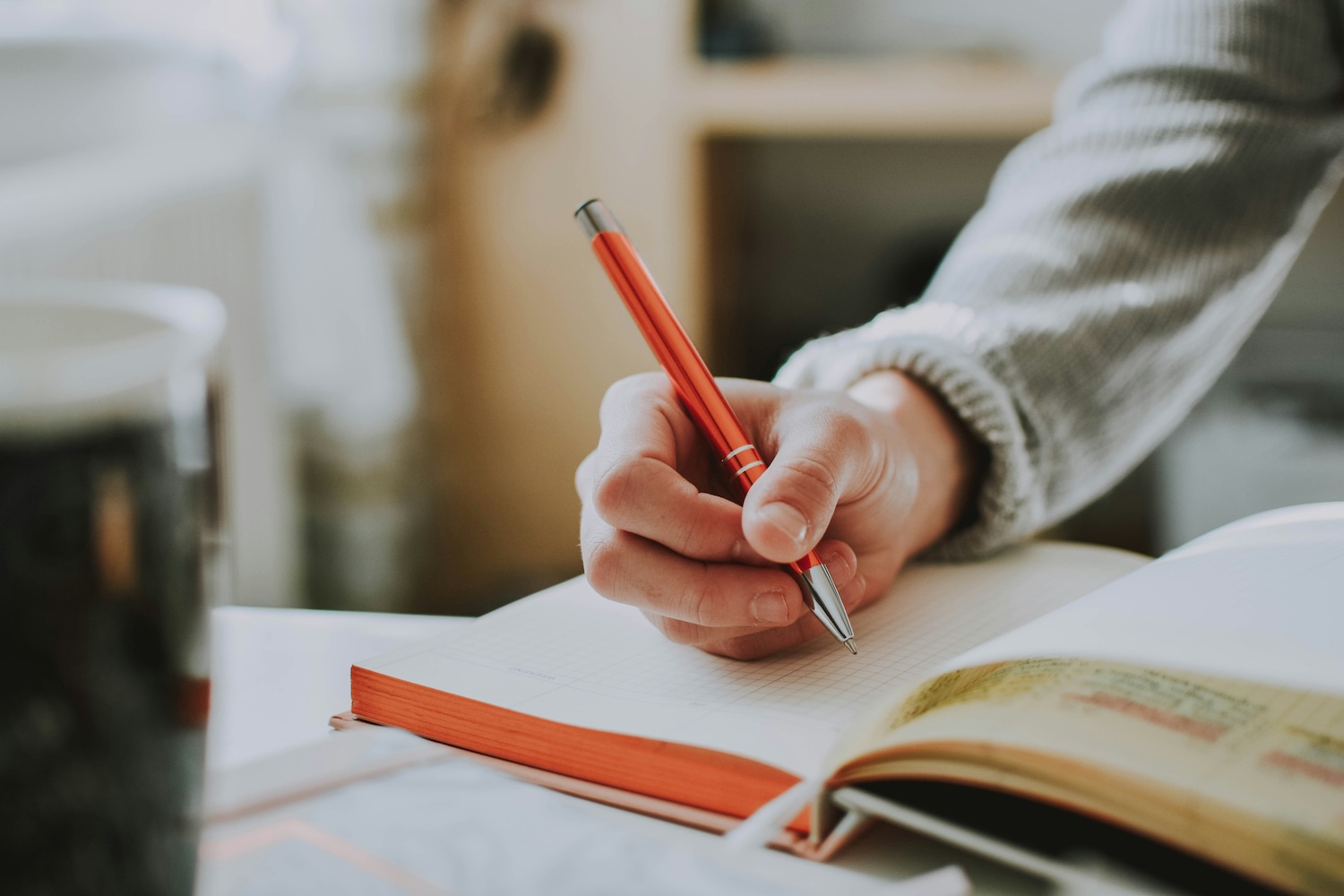
The shift from acting to writing was not a renunciation but a reorientation. Acting had trained me to listen, to inhabit emotional nuance, to understand the architecture of character. Writing demanded those same skills, but with a different kind of solitude — one that suited me. Instead of memorising lines or hitting marks, I was at my desk inventing worlds. What began as a quiet pivot became a vocation: forty-three books in eight years, many of them for children. There’s something deeply joyful about writing stories that make children think and feel seen.
I have several new children’s books coming out over the next year, including a middle grade fiction novel for Affirm Press, a young adult novel for Allen & Unwin and four more junior fiction books in the Sleepover BFFs series for Scholastic. Writing for young readers feels like a return to the imaginative permeability of childhood — a state I can still access with ease. But my work now spans adult fiction, theatre, television, film, and mentoring other writers. The autonomy of the writing life appeals to me: the discipline, the solitude, the endless “homework” of drafting and redrafting. As someone once said, becoming a writer is committing to homework for the rest of your life. Luckily, I’ve always been a girly swot.
I haven’t abandoned acting. I still love it and always will. There are probably some in the industry who don’t see me as an actor anymore, but that’s okay. I’m a woman of a certain age, and while I’ll always be an actor, I no longer have the expectations, ambitions or insecurities that I once possessed in spades. There is a strange grace in that loosening. Acting gave me discipline, empathy, and a deep understanding of human behaviour. It taught me how to listen, how to observe, how to be present and how to hone my artistic skills – all of which have made me a better writer. But I no longer cling to it as an identity. If the phone rings with the right role, I’ll take it. But I’m no longer waiting by the phone. I’m at my desk, writing — the place where all the threads of my creative life now converge.