
Words by Catie Gett
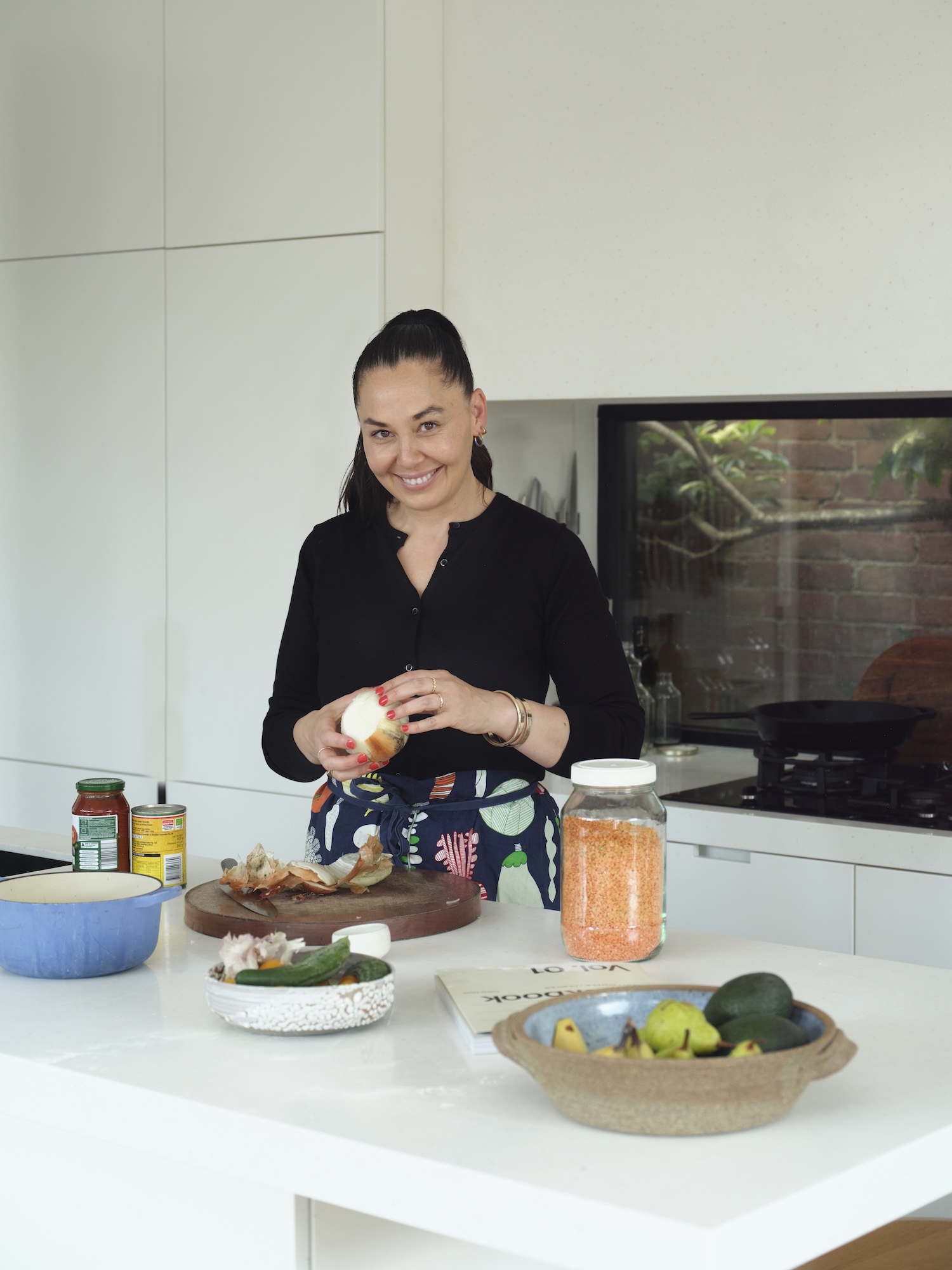
I have worked in the wellness industry for over twenty years.
I started in my early twenties, studying naturopathy, working in health food shops and eagerly dispensing advice to anyone who would listen. I studied with a bunch of hippies coming of age with wholefood-stuffed brown paper lunch bags, hitting the organic shop after a night out, social lives strung between the Veggie Bar, share house cook-ups and bottles of cheap red wine. There was a swinging balance that youth allows. We were wide-eyed, fresh-faced, ready to change the world.
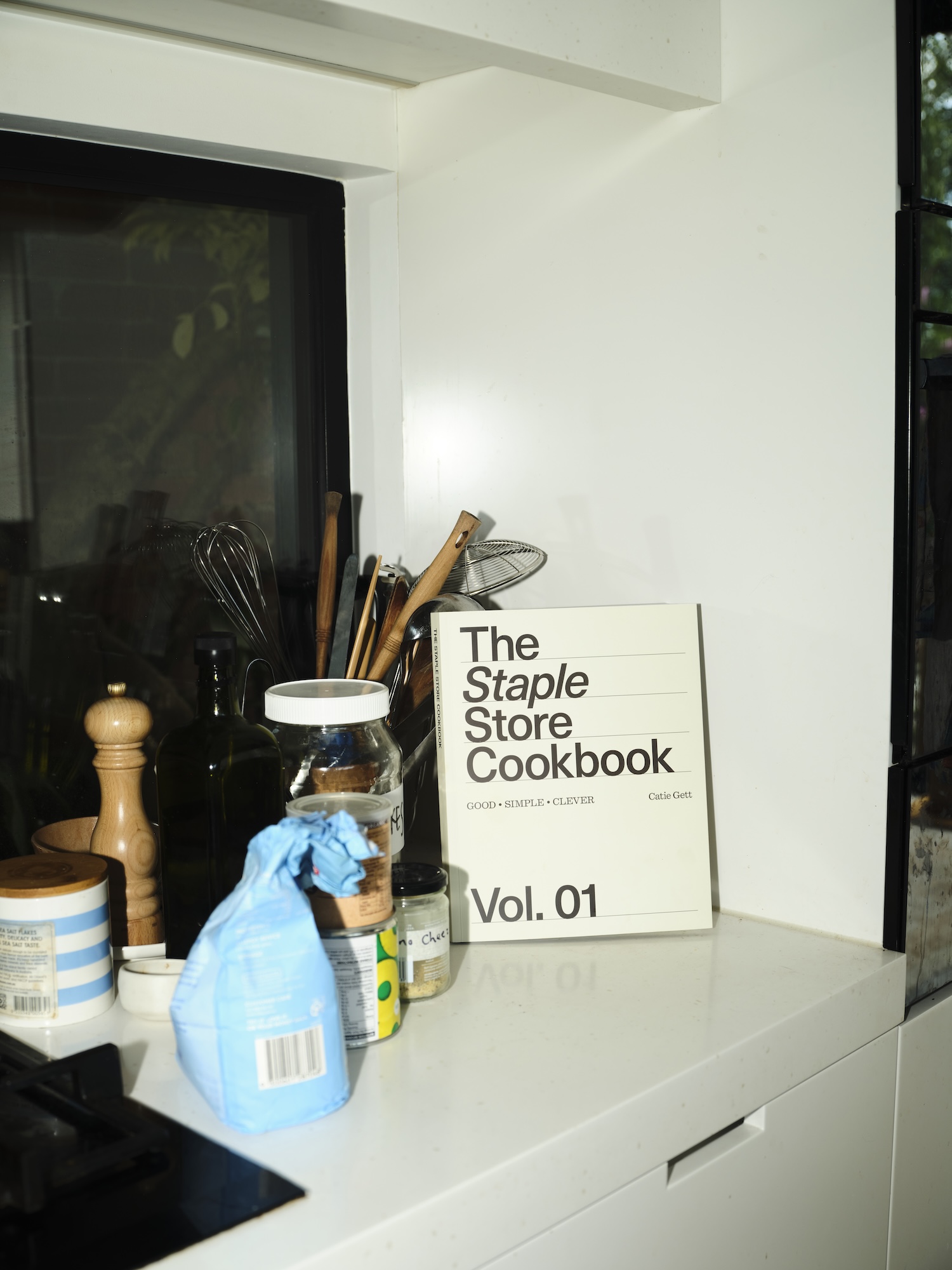
After a few years in private practice I wanted to return to community wellness, but on my own terms. The Staple Store was a wholefood shop that didn’t sell supplements, where food was front and centre. Simple, accessible healthcare. In the beginning, a $200 day through the register was a good day. It was a passion project. But I loved every minute of it.
Around the same time, Instagram was finding its feet and aspirational wellness culture was being born. A bubble was forming. Health food wasn’t granola and patchouli vibes anymore. It was where the cool kids were sitting. As a lifelong, socially awkward wallflower, I thought I was watching from the outside, a mere spectator.
I didn’t realise I’d accidentally stepped inside the bubble.
All of a sudden, my little neighbourhood bulk food store in a suburb no one had heard of had lines out the door every weekend. People travelled for Raweos, raw organic vegan stuffed cookies, and tongue-in-cheek wellness memes. Somehow, I was sitting at the cool kids’ table.
Despite being made famous for raw vegan cookies, I was not in fact a raw vegan at all. In my own life and practice I held onto a balanced, forgiving wholefood diet. But in public, I performed clean eating. Deviating from it risked exclusion. So I kept making content and writing recipes that swapped refined ingredients for organic wholefood alternatives, swapping one price tag for a far more expensive one, as if following the rules of an invisible rulebook.
I remember standing at a child’s birthday party, a mum leaning over and saying, “That probably has gluten in it, just so you know,” nodding toward the cake. It was then I realised I was part of this. I had inadvertently become part of an industry that could shame someone simply for choosing the wrong flour.
During the pandemic, things started to feel more uncomfortable. It was a divisive time. I chose to remain quiet, holding space for everyone who was afraid. But as a Eurasian woman in Australia, I could see the threads, the ones connecting parts of wellness culture to exclusionary, even supremacist ideologies. It was like overhearing something at a family gathering that makes your stomach drop. That pause. That slow scan of the room, checking if anyone else heard it too. But no one seemed to notice. I kept scanning. Waiting for someone else to look uneasy.
This wasn’t home anymore. This was not the wellness culture I had started in.
I exited quietly when I closed the shop. The industry I had helped build with an open heart didn’t look the same anymore.
A few years later I opened The Staple Store online. Customers had kept messaging me, mourning, chasing the feeling that Staple products had given them. So I did product drops, one-offs of our bestsellers, and it worked well enough that it became a rhythm of every three to six months. The point was to give me time in between to write, create, educate. But like every grand plan, it didn’t go to plan. Each drop meant new products, photoshoots, copywriting and marketing. I could feel myself losing my way.
Our final 2024 drop was a catastrophe, one well-timed disaster after another. A true cluster-debacle. I could feel Australia’s economic crisis too. The average sale had halved; customers felt the pressure. I kept the last drop open twice as long as usual to move stock. When couriers didn’t show one day, eight-year-old Chook and I delivered orders around Melbourne ourselves.
That day I realised that the customers who could afford our products were very wealthy, living in homes I could only have imagined. I got home feeling lost, like I’d gone up the wrong path. I had started out wanting to bring accessible health to many. I had taken a long detour, and I was far from home.
So I closed that too.
Health now had a price tag. The longevity industrial machine had taken hold, the idea that health is something you can buy and that a long life is reserved for those who can afford it. I started scanning the room again.
Wholistic wellness had become fragmented, cherry-picked for clickbait. We traded slow, embodied, intuitive health for biohacks and shortcuts. We lost the plot on balance. Rest, joy, a good diet, movement, the cornerstones of health, the things that millennia have proven to work. The things that don’t cost anything.
I came here to make health accessible. To meet people where they are, whatever their income, whatever their access. Instead I had become part of an industry with a hefty price of entry.
To leave the cool kids’ table I had to show up uncurated. Terrifying, plagued with high school flashbacks, those whispers still at home in my psyche: just so you know, there’s gluten in that.
Aspirational wellness is designed to exclude. That’s what makes it aspirational. It is, by definition, out of reach. There is a vast gap between ultra-processed accessible food and optimised aspirational food that I cannot close. But I can close the gap between an ultra-processed diet and a healthy one. That gap doesn’t need to be anywhere near as wide as we’ve made it.
You’re not reading the room if you tell a group of people eating highly processed chicken nuggets that a rotisserie chicken is unhealthy. And those people? They’re the ones I came here for in the first place.
It turns out there were a lot of us scanning the room, looking at the same things at the same time, just waiting for someone to be brave enough to drop the facade. To be of service to the people who were never meant to be at the table.
I have found my way home. And it turns out I am not alone.