
Interview of Parissa Tosif by Dellaram Vreeland // photos by Golam Reza Sadeghnia, Liv Latricia Habel and Anita Beikpour
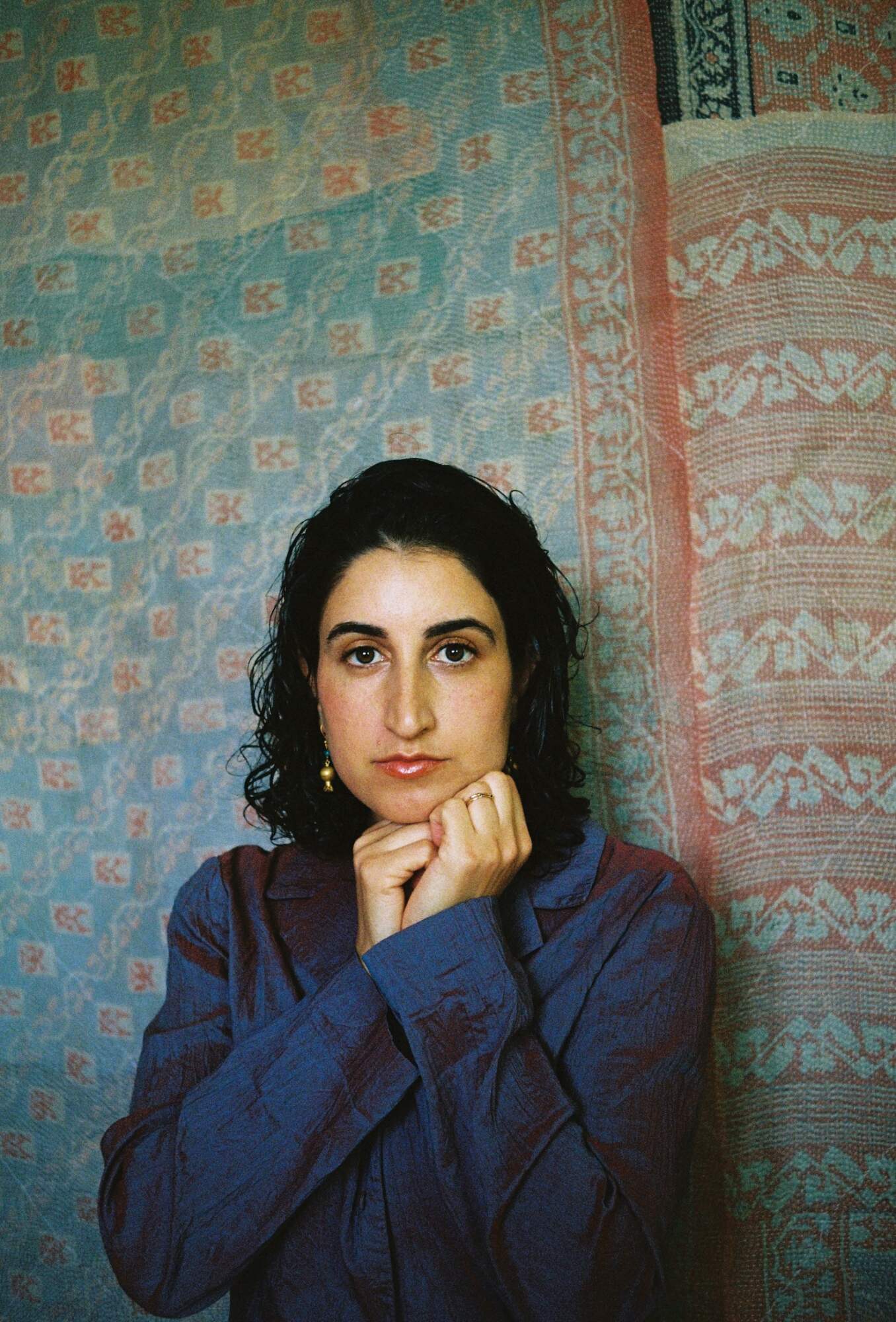
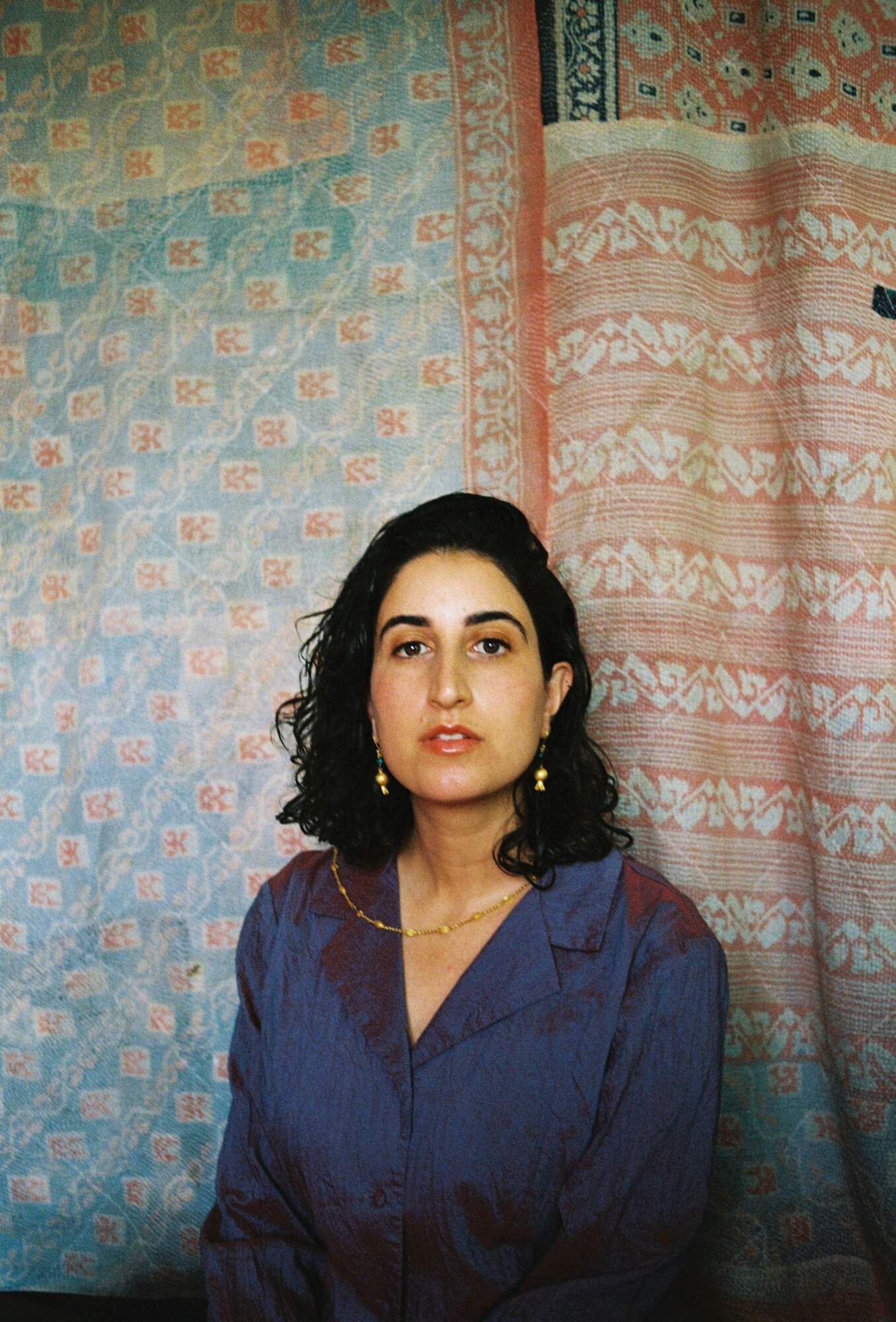
There’s a lyric in Parissa Tosif’s song Khatereh (خاطره) that speaks to her hopes for the people of Iran:
I pray for you every day,
I hope for peace, hope for rain.
Scatter flowers for the ones who stay away,
for the ones who stay awake.
“I genuinely pray for the freedom of Iran and honour those who fight to be free of oppression from any source,” Tosif tells Ramona Magazine.
It’s just one of the ethereal tracks set to be released as part of her debut solo LP – I have this memory of you – an album she says “started almost as a selfish pursuit to fill the hole in [the] heart of my ancestry” but has since evolved into a project she hopes provides a sense of healing.
“I’d never explored the lives of the people who made me, me,” Tosif says. “I’d never asked questions about what it was like to be a woman during the 1979 revolution, or a mother having to flee.”
“I realised that the life experiences that have been shared with me and my own journey of belonging seem to represent many other people’s journeys in the Iranian diaspora. Particularly second generation immigrants.
“My hope then became to help them feel seen in their longing for homeland and identity. I then also realised the idea that my songs may shed light on the humanity of the Iranian people, a population oftentimes associated with war and oppression. Perhaps it could illuminate how common some of the themes of love, loss and sacrifice are across cultures.
“As I began to release my music, the situation in Iran has grown more intense. I hope now more than ever that actually listening to my songs can provide healing and connection.”
Comprising 10 tracks, Tosif—known to many as the vocalist and co-writer of electronic duo Vallis Alps—explains that the album contains a series of glimpses into moments surrounding the 1979 Iranian revolution and the impact of migrating—either by choice or force.
“I am a musician in that it comes naturally to me to share my thoughts and experiences through music,” she says. “I craved connecting to my Iranian heritage and only knew to do this through music. I set out to hear as many stories as I could from my family and friends about their experiences of the 1979 revolution, leaving Iran and building new lives as migrants and refugees and the daily lives of my family still in Iran today.”
The album touches on the experience of building a new world in the West as an Iranian refugee or migrant and the complexities of that, Tosif adds. The song Fury (نیلوفر آبی) tells the story of a couple faced with the possibility of separation—the husband wanting to stay and fight for his country, and the wife wanting to flee to safety. “The main character of this song is close to my heart,” Tosif says. “She reminds me of my Iranian khalehs, my mum, my aunt, my grandma, my friends. I picture a strong woman, caught between worlds, fighting for her children and stunned by how differently her partner sees the same reality.”
While working on the album, Tosif fell pregnant and birthed her daughter, Yara, and while finishing the album, she fell pregnant with her son. Her foray into motherhood added a whole new layer of meaning to her project. “I realised that the album had become an encapsulation of the heritage I craved to pass down to my children, especially my daughter, as she is the second in the line of women in my family able to have a public voice, me the first.”
“I come from a strong line of incredible Iranian women who are witty, devoted to family, loving and strong. I wanted her to know that she has these stories and lives in her soul.”
The album’s closing track, For Yara (يارا), is a lullaby for her daughter, penned alongside Iranian multi-instrumentalist Misagh Zamani. “I asked him to play the loop on a Persian flute, and then I built on that. I suddenly had the words come to me, ‘be free, in love, in life’, and couldn’t stop thinking about the message that I want my daughter to know.
“I want her to remember that a dimension of freedom comes with your choices—to love, to live and that I will always be by her side.”
As well as being a tribute to Tosif’s heritage, the women in her life and the future generations, the album is, as a whole, a love letter of sorts to traditional Persian art and music. Tosif learnt the art of āvāz—or Persian song—and a bit about Persian classical rhythms and notes. “All of this brought me closer to myself and my roots and felt almost like a need or a subconscious desire”.
With tracks including Mysterious (دریا), River (گلریز) and Vacation (سمیرا) featuring Tosif singing in Farsi, the entire work is a fusion of Western songwriting and Eastern melodies—instruments including the daf, oud and tombak rounding out the chilling, dreamlike harmonies.
From the woes and wonders of motherhood to the challenges of migration and the power of womanhood, the experiences explored in her album, Tosif says, are not reserved for the Iranian diaspora or Iranian population. They are universal and highlight our common humanity “regardless of the war or suffering happening in their country or environment.”
“I wanted to write at once about the Iranian diaspora experience but also about these general human themes so that I could bridge a gap between us all in these times of suffering—so we could see the ordinary in the extraordinary experiences of the people I focused on.”
“I also want to highlight the strength and patience of the people of Iran, particularly the women and mothers. I look up to them so much and am so beyond grateful to the women of my lineage for their tireless love and sacrifice.”
For Tosif, hope comes from seeing the connection and love in moments of sorrow. Her dream is for people to dive deep into some of the moments of the album, see themselves in its stories and find connection. It’s not a hard ask. The album is bathed in delicate reveries that beckon the listener into their tranquil embrace—offering space for reflection and contemplation. Tosif’s is an evocative soundscape that broadens understanding. “I hope it inspires others to ask their family members and friends about their experiences and note them down for future generations.”
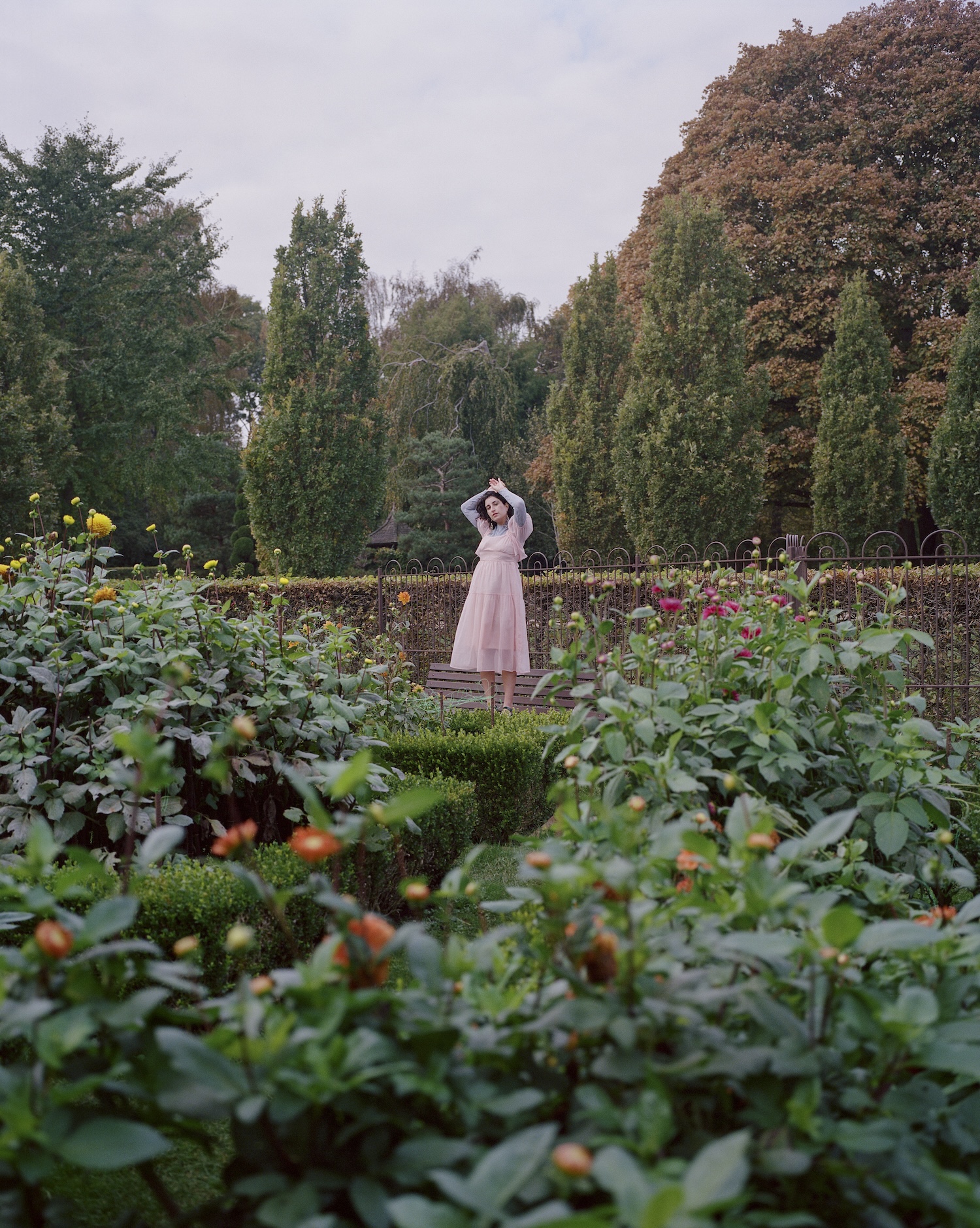
Parissa Tosif