
Interview with Katrina Gorry and Danni Rowlands by Freya Bennett
Sport is meant to be about joy and connection, but for a lot of young people, especially girls, it can also become tangled up with pressure around body image. With one in three young people dropping out of sport because of concerns about their body, it’s clear something needs to change. We chatted with Katrina Gorry and Danni Rowlands from Butterfly Foundation about eating disorders in sport, the intense pressures young athletes can face, and what creating a more “BodyKind” sporting culture could actually look like.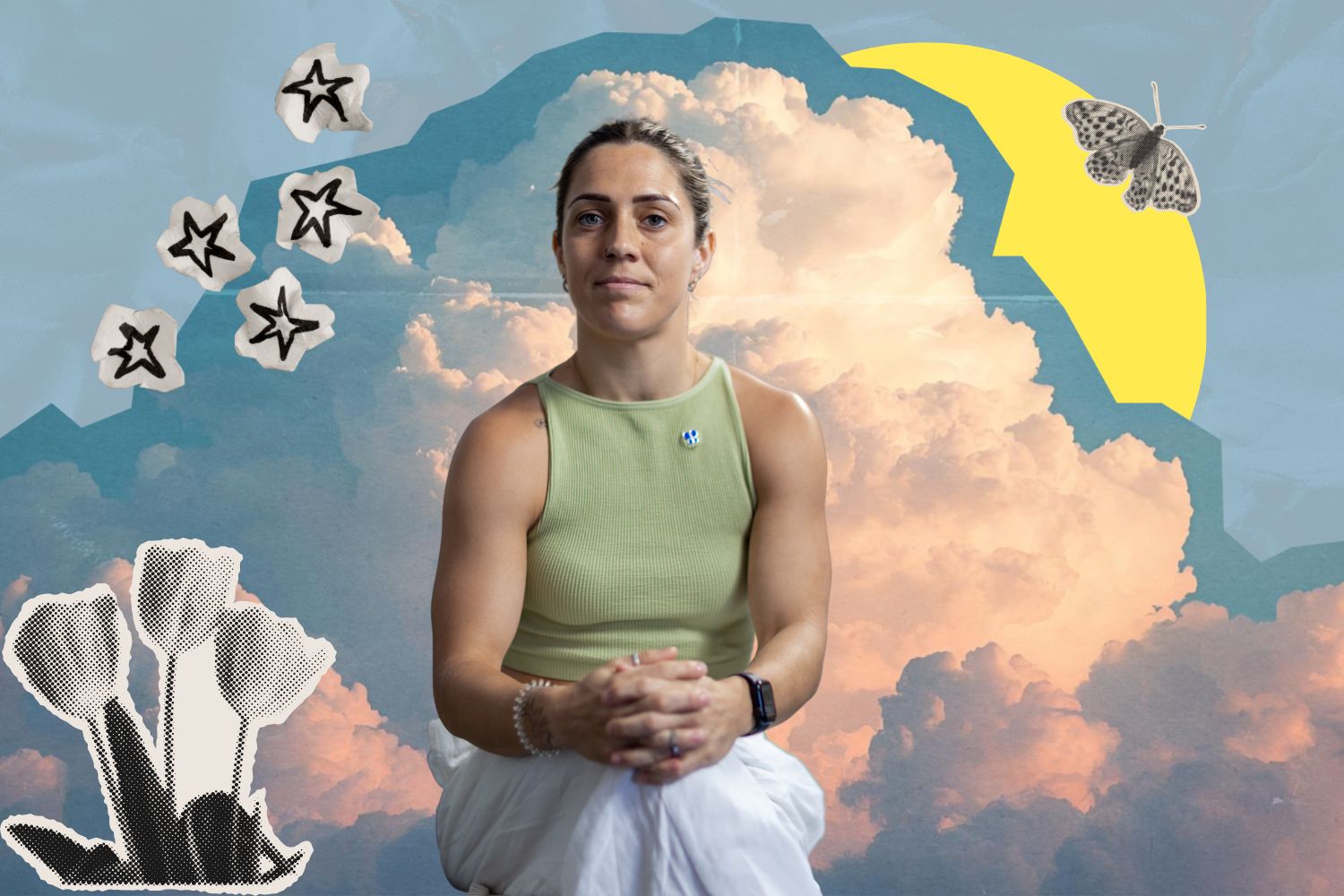 RAMONA: You’ve been such a strong voice in sport over the last few years, how does it feel to step into this ambassador role?
KATRINA GORRY: It’s been really important to me. I’ve been Butterfly’s Ambassador for a while now, and it’s given me a chance to spread awareness about the reality of eating disorders, and allowed me to have these conversations in a more consistent way. It’s not just about my experience anymore, it’s about helping make sport a safer place for others coming through.
You’ve spoken about the darkness and isolation of your eating disorder, was there a moment, even a small one, where you first felt a shift toward something lighter or more hopeful?
KG: It was never one big moment. It was small things like feeling a bit more present, or being able to enjoy time with people without everything revolving around food or training. Those moments didn’t seem like much at the time, but they were the start of things getting better.
Elite sport can be so focused on performance, how did your relationship with your body begin to change once you started prioritising your wellbeing instead?
KG: I started listening to my body instead of fighting it. Once I focused on feeling strong and healthy, not just performing or what I looked like, my mindset shifted. I had more respect for what my body could do, instead of always trying to change it. One of the things that helped me a lot was speaking to my teammates and coaches about what I was going through. I wish more people were able to have open conversations about eating disorders and mental health.
If you could sit beside your younger self, what would you want her to know or feel in that moment?
KG: I’d want her to know she’s enough as she is. That she doesn’t have to earn her place or prove her worth through how she looks or performs. And I’d want her to feel supported like she’s not alone in it.
For young athletes who might be quietly struggling right now, what are the signs that you wish you had recognised earlier in yourself?
KG: Probably how much it was taking over my thoughts. When everything starts to revolve around food, training, or control, and you’re pulling away from people that’s a sign something’s not right. I wish I’d spoken up earlier.
You’re helping create more “body kind” environments in sport, what does that actually look like day-to-day, in a training session or a team culture?
KG: It’s the little things. The way coaches and teammates talk, what gets praised, what gets ignored. It’s focusing on effort, strength, and wellbeing, not weight or appearance. It’s being able to take a break if you need. Letting your body rest and not pushing through injury. A BodyKind environment is one where people can feel comfortable to speak up or ask for help without feeling shame or being judged – without fearing like their contract or professional livelihood will be impacted. Coaches and staff also need to know that athletes can be struggling with an eating disorder, and often their behaviours are praised as ‘discipline’ or ‘being in control’. While it might be hard to spot the signs of an eating disorder or know if something is wrong, Butterfly has heaps of resources to help.
Poor body image is one of the top reasons young people, especially girls, drop out of sport. Why is this still such a significant issue, and what can be done to keep young people engaged?
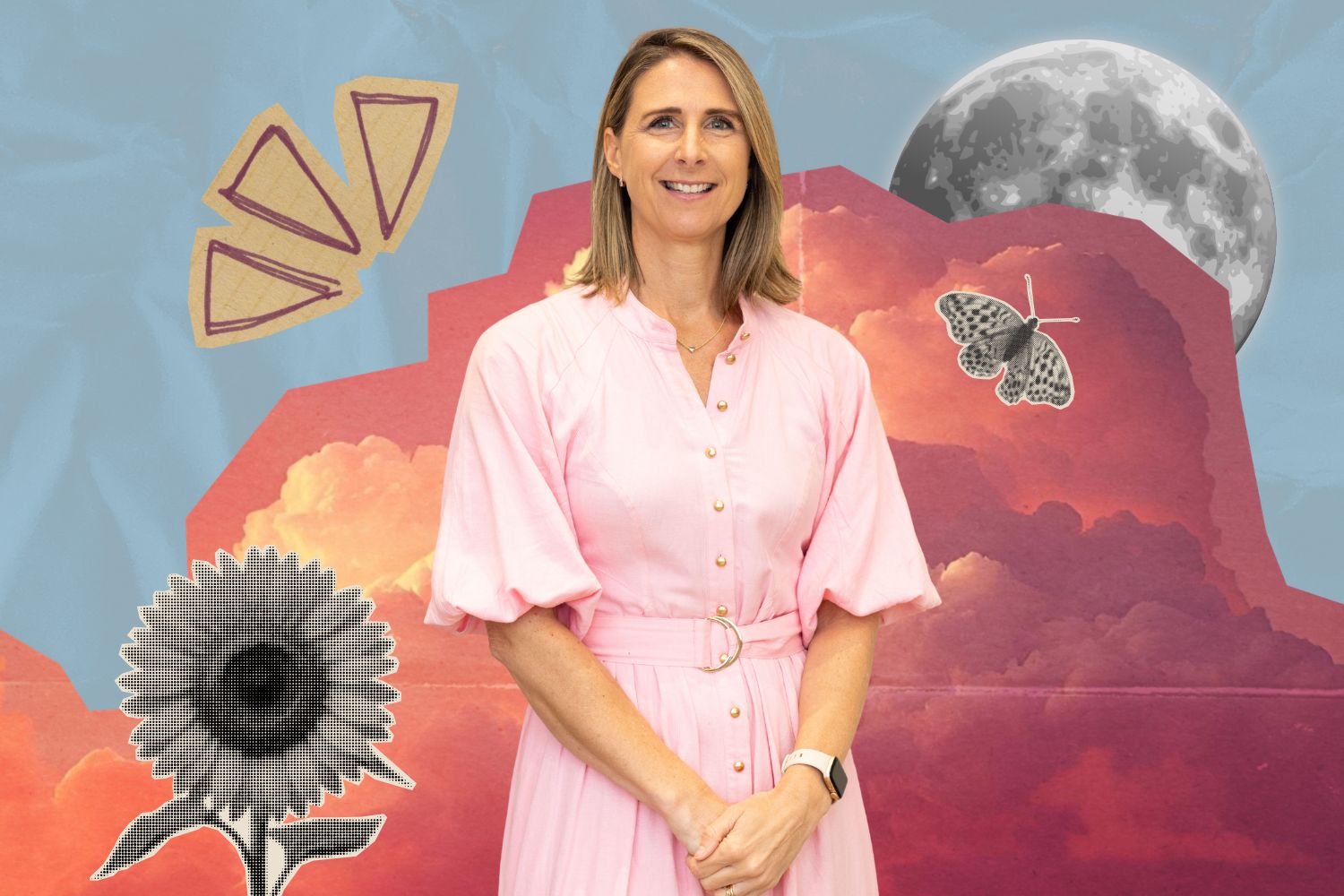
DR: Competitive sport offers many wonderful physical and mental health benefits to young people. However the body is critical to participation and performance in sport, and is something tangible that can be criticised and critiqued by a young person and others. Body image, self-esteem and identity are strongly connected, which is why puberty and adolescence are such a vulnerable time for young people, particularly girls. Athletic ‘body’ ideals and society’s overvaluation of weight and appearance place additional pressure, all which can contribute to withdrawing from competitive sport. Poor body image is consistently cited as a reason for dropping out, and for those who remain in competitive sport, body dissatisfaction is a significant risk factor for the development of disordered eating and eating disorders, with a higher prevalence amongst females and adolescent athletes. .
At a system and societal level, we need to work together to create environments where young people participating in any level of sport are supported as people first, then athletes, in all body shapes and sizes, so that they can thrive in life and sport and reach their full potential.
Removing barriers for participation can be as simple as ensuring uniform policies are flexible and inclusive. This can help girls feel comfortable in what they are wearing and moving in, particularly while their body is changing and developing. Language matters when it comes to how we talk about body shape and size (which includes height). Being mindful of language used when coaching (and parenting) so the focus is on the skill, technique, effort and performance, rather than how the body looks is critical.
The reality is that the majority of young people won’t make it to the elite or professional level, so supporting participation and enjoyment for their sport needs to be a priority, as this is positive for their mental health and their body image. To keep young people engaged in competitive sport and create more supportive environments, we should focus on what the body can do, as well as achieve. Remind young people often that anyone can play and have a go, regardless of their weight, shape, size or ability, and that joy, effort and improvement are things to celebrate.
Adolescents in competitive sport can face unique pressures in navigating puberty and identity. How can clubs better support young athletes during these formative years?
DR: Surging hormones, body shape changes and body comparisons rapidly increase during puberty and adolescence. Puberty also happens at different times for everyone, with some beginning earlier and others much later, all which contribute to young people unfairly comparing their body, as well as skill level and development to their peers, squad and teammates. Due to the vast differences in development and also ability, childhood and early adolescence do not present a level playing field for young people, which can greatly impact their self-esteem and body image and desire to remain in their chosen sport or activity.
Over-celebrating and valuing early-developers skill, ability, success and body shape/size i.e. height, can have longer term negative impacts on a young person’s self-esteem, body image and identity, as for that young person it is tying their worth to their body and sporting success. Playing sport is a part of their identity and is something that they do; they are more than their sporting ability and they are more than a body!
Clubs and sporting organisations can have a powerful and positive impact on a young person by respecting that puberty is such a critical and vulnerable time for a young person’s developing body and self-esteem. Their bodies and brains are changing and developing at a rapid rate, and that requires modification, patience and kindness. Creating environments that offer education for coaches that is inclusive of body image, wellbeing and language guidance, adopting can help. Coaches need to be equipped with education that includes body image, wellbeing and language guidance. We also need clubs to adopt a zero-tolerance approach to body shaming and teasing, and work to foster an inclusive, safe and supportive environment where all young people are valued – regardless of their body size or sporting successes.
If a sporting club or organisation is unsure where to start, taking a deep dive into understanding their own culture as well as the experience of all members in their community can help inform positive action. Many sports upholds a narrow body ideal that for many athletes adds enormous pressure and is a distraction for many athletes, taking their focus and energy away from their performance. The conversations and awareness around this topic is what will also help to drive change so that athletes, of all body shapes and sizes, can thrive and reach their full potential – in their chosen sport and beyond.
Butterfly has been working with sporting organisations since 2007. Have you seen attitudes around body image and disordered eating improve over that time?
DR: Butterfly’s BodyKind Sports initiative has been established to support sporting organisations, school sport programs and sport governing groups to foster positive and safe environments in relation to body image and disordered eating. We work to help sporting communities build protective factors around their athletes – through education and awareness initiatives, policy and resource development, and longer-term collaborations to foster sporting culture and environments that are BodyKind.
While stigma and misunderstanding continue to surround body image, disordered eating and eating disorders in sport, there has been a positive shift in attitudes and knowledge since 2007. This can be attributed to attitude improvements more broadly in our community, as well as research and studies, alongside hearing from athletes themselves. All of this has allowed us to better understand the impacts, consequences and experiences of body dissatisfaction, shaming and disordered eating in sport. Over the past 5 years in particular, more athletes, across a range of sports, are sharing their personal, often confronting experiences with body image and disordered eating, and the devastating impact it’s had on their mental and physical health and sporting career. Pleasingly we have seen more sports taking a deeper dive into understand their role, culture and the athlete experience so they can do better with policy, education and culture.
What are some warning signs that a young athlete may be struggling with body image, disordered eating or unhealthy exercise behaviours?
 Due to the very nature of what is required in sport, it can be difficult to identify eating disorders or disordered eating in athletes. Many behaviours may be endorsed, celebrated and viewed as what is required to be a high-performance athlete. Some signs that might flag an athlete is experiencing disordered eating or an eating disorder include:
- Behavioural changes – preoccupation with nutrition, calories, macros/micros, supplementation body shape or weight; black and white thinking particularly around food, body or training; increased rigidity and restriction with eating including dieting for weight loss; eating in secret or binge eating; training outside their program requirements or when injured or unwell; poor performance at training and in competition.
- Physical changes – Tiredness and fatigue, erratic heart rate, low iron, increased stress and over-use injuries, repetitive illness; hormone dysfunction and changes or loss of menstrual cycle in females, dehydration; changes in body shape, weight, size that occurs in a short period of time.
- Psychological changes – low mood and poorer mental health and resilience; increased anxiety; distracted by feelings about their body, weight, body composition or shape; increased criticism of one’s body and self, increased body comparisons to others.
For young people engaged in in development programs and pathway sport, we need to keep an eye on those that have unreasonably high standards and/or perfectionistic tendencies, those that are focused on winning at all costs and have a fear of failure or incredibly self-critical; those that are engaging in self-managed training without professional guidance or seeking ‘coaching’ and advice online; and those in transition periods (selection/de-selection, competition, off season) and those who are injured. The very mindset and traits that can make someone successful in sport are also the very traits that help eating disorders to thrive.
For parents who want sport to be a positive experience for their child, what should they look for in a healthy and supportive club culture?
DR: A BodyKind Club is one where young people are empowered to reach their full potential, without feeling pressure to change their body or reach an unrealistic and unsustainable body ideal. Parents should look out for sporting environments where participation and engagement are prioritised and young people’s wellbeing is supported. A club where body and size diversity and inclusivity is evident and flexibility around uniform supported. A club where there is less focus on winning or being or ‘looking’ the best and more about being part of a team, club and community where everyone is valued for the role they play. Sport can become serious too early, taking away the joy and adding unnecessary pressure that can contribute to young people not feeling good enough. Environments that encourage young people to push through injury, over-celebrate ability or create environments where young people are compared and competing with their peers are not positive ones. A club that sees the person first as an individual, where a love of movement and physical activity is fostered in a positive way, where mistakes can be made and bodies can grow and develop in their own way – is BodyKind.
If you’re a parent and you think your child’s sporting club isn’t doing these things, encourage them to look at Butterfly’s BodyKind Sports – sporting clubs can sign up for free resources and activities, as well as book presentations and access tools to equip coaches with the skills and confidence to support young people’s body image and keep them engaged in sports.
For support call the Butterfly National Helpline on 1800 ED HOPE (1800 33 4673) or visit www.butterfly.org.au to chat online or email, 7 days a week, 8am-midnight (AEST).