
Interview of Tiaryn by Elle Young
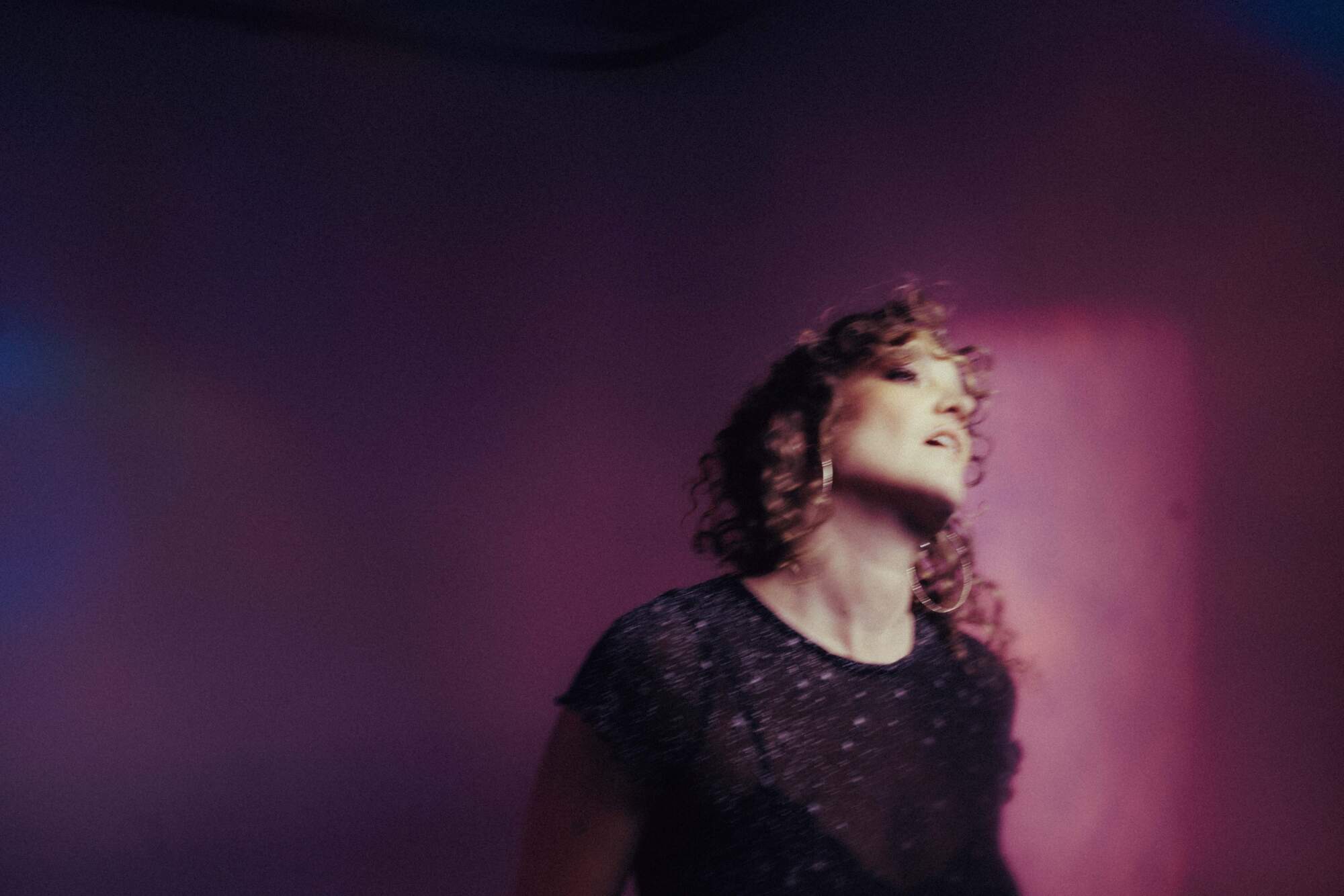
Tiaryn is a transformative performer with a voice that moves effortlessly from ethereal to commanding. Known for her distinctive blend of jazz-informed songwriting and magnetic stage presence, Tiaryn has just released her debut album Disco Dress. The process has allowed Tiaryn to come full circle, finding clarity, self worth, and acceptance encouraged by a supportive recording environment facilitated by producer Josh Barber, enabling her to explore heavier themes within the album such as leaving an emotionally abusive relationship.
 Why was it important for you at this time to use your music to discuss leaving an emotionally abusive relationship?
Well firstly, I was compelled to. It was an extreme contrast to go from being totally emotionally unsafe, manipulated and coerced for so many years to being on my own, sitting in this relational come down, (during covid too) – the songs were the most cathartic way to process. Music has always been the place where I feel most comfortable saying difficult or vulnerable things, its a way to be known. That’s half of the process, and the other half is sharing it, which is all about serving the larger community. Telling our stories allows others to feel seen, reflect on their own experiences and connect to humanity, rather than numbing out. It’s medicine and magic!
How has it felt exploring some of these experiences through your music? And how has it helped you?
It’s been liberating and a little unnerving too, most of the songs are pretty raw! During the writing phase I had an incredible therapist who helped me pull at the threads of that relationship and naturally unraveled a lot more about my life, and the album reflects those realisations. I played the song ‘Disco Dress’ for her and she said that was the most vulnerable I’d ever been with her. What’s fascinating about music for me is that I can cognitively understand my story til the cows come home, but a song will crack me open. Whatever is laying dormant within me will spill out if I sing about it. Not much comes close to healing my spirit the way singing does.
Your debut record took three years to make—what challenges did you overcome to get here? What felt fun and easy?
Most of the record was an absolute breeze to make. Every day in the studio was founded on ease, positivity and playfulness, I was pretty amazed at how quickly tracks came together. I treated the percussion box like a toy box and had the time of my life. The biggest challenge was probably getting over my imposter syndrome and arranging for strings. I’d never tried it before and felt out of my depth, then recording halted because strings were the next step. So I just had to do it, and I love what I wrote. I learnt plenty though and I am so grateful to my girls Molly Collier-O’Boyle (Viola) and Madeleine Jevons (Violin) for encouraging me. But the biggest challenge, always, is saying its done.
You worked with producer Josh Barber on this record, where you speak of feeling completely supported by him in the recording studio. What did he do to make you feel comfortable?
Josh was the best. From the beginning I felt only the utmost respect, support and encouragement from him. I felt like he heard and understood on a metaphysical level what I was saying and he did everything he could to serve that. In the past I’ve felt pushed around by producers, not taken seriously or had to fight for what I wanted, instead of my opinion being valued and trusted. Whereas Josh encouraged me to pilot the studio even though he had the controls. I’m endlessly grateful to have worked with him.
Why do you think recording studios can sometimes be difficult spaces for solo artists, particularly women?
I think its because more often than not male producers can have some pretty hefty egos that can result in silencing others, pushing an agenda, assuming the artist isn’t a capable musician/producer or simply not listening. Unfortunately female musicians and producers have been socialized through patriarchy to not speak up, to feel like male opinions matter more and to feel less capable. Due to a lack of representation of female producers (back then) I didn’t feel like I knew what I wanted, but I actually did! I just needed to feel safe, heard and like I was a respected musician. It seems like times are slowly changing though, thankfully working with Josh was a completely different experience.